When Earth Shows Symptoms: Reading Climate as Stress Expression
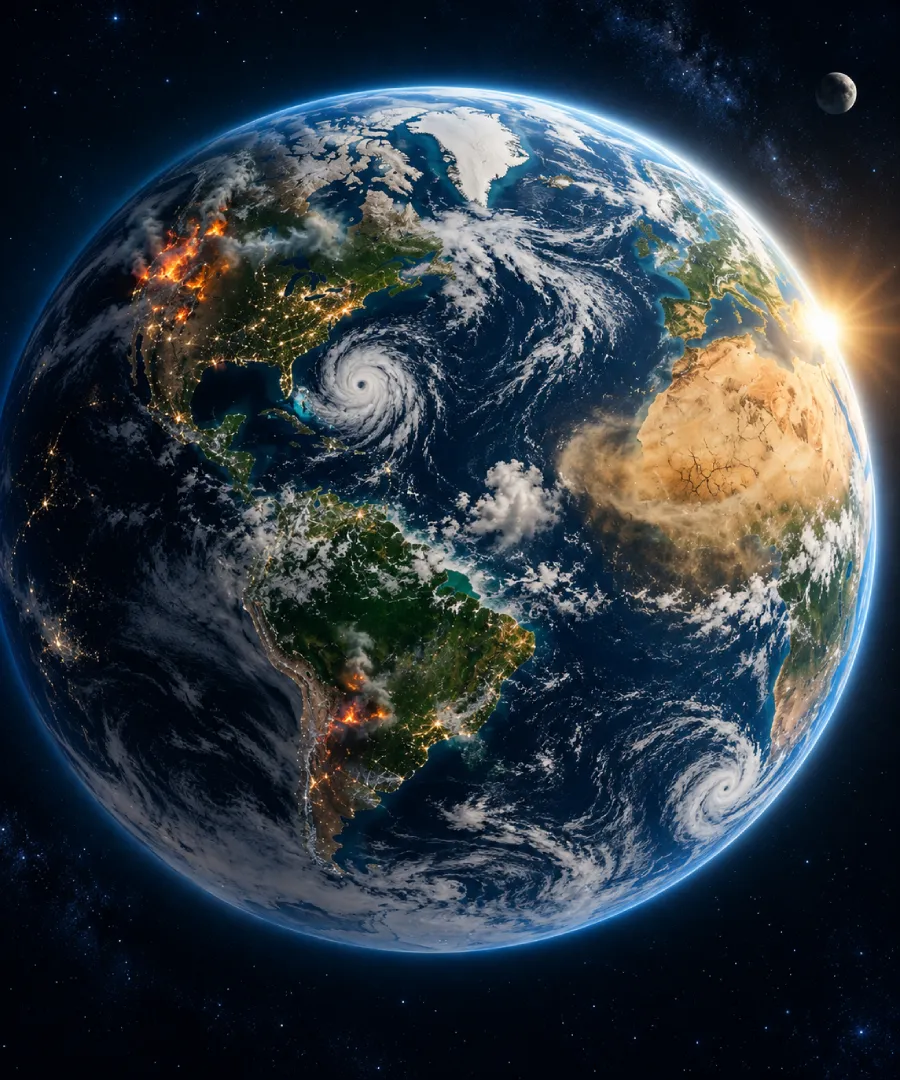
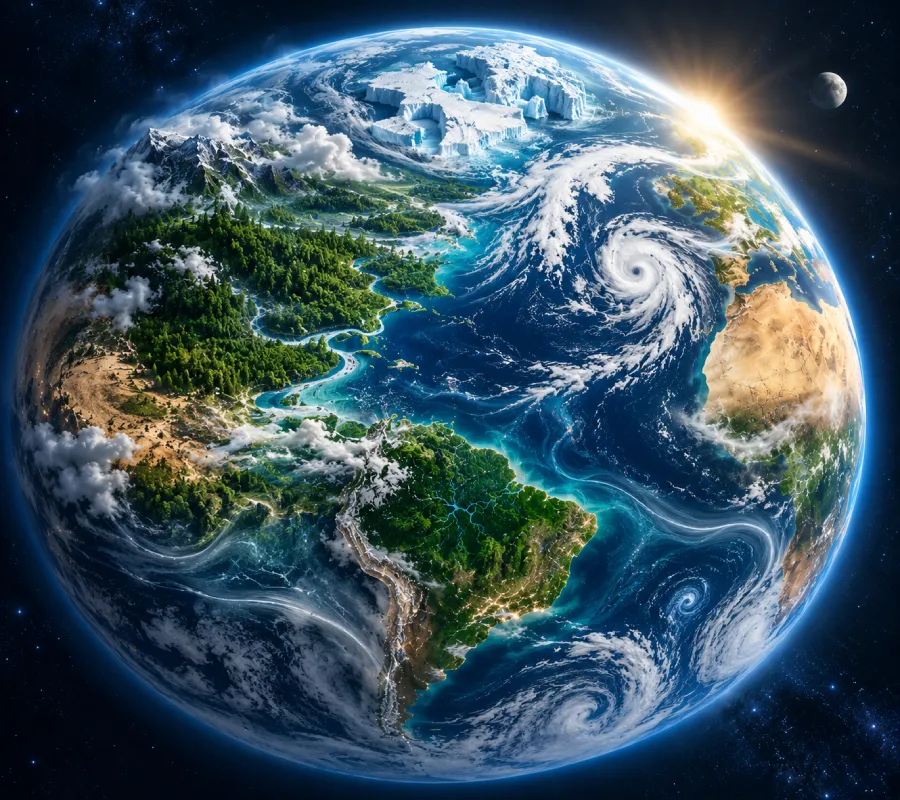
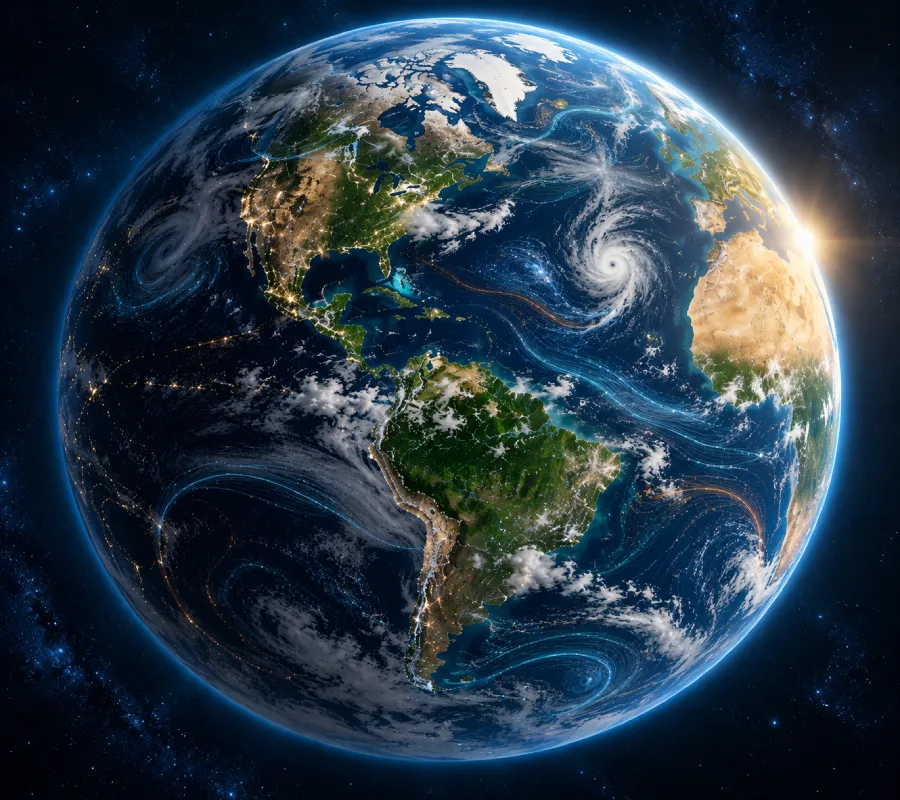
The Earth is a living system of interconnected forces—land, water, air, heat, and life continuously interacting in balance. When this balance is disturbed for long periods, the planet begins to show visible signs of stress. Wildfires, extreme storms, floods, droughts, heatwaves, and shifting seasons are often described as separate disasters. Yet when viewed together, they can also be understood as symptoms of a deeper planetary imbalance.
At Earthbodymap, we encourage a broader perspective: rather than seeing each climate event as an isolated incident, we explore how these events may represent expressions of systemic stress within Earth’s natural body.
Understanding Earth as an Interconnected System
Just as the human body responds to pressure through fever, inflammation, exhaustion, or pain, the Earth also responds when its systems are overloaded. Forests, oceans, rivers, atmosphere, glaciers, and soil are not separate parts—they are linked through delicate cycles of energy and exchange.
When one area is disturbed, the effects ripple outward:
- Rising temperatures influence ocean currents and weather patterns
- Deforestation weakens rainfall cycles and soil stability
- Polluted air affects atmospheric balance
- Damaged wetlands reduce flood protection
- Overheated oceans intensify storms
- Degraded soil reduces water absorption and increases drought risk
These responses are not random. They are signals that natural equilibrium is being challenged.
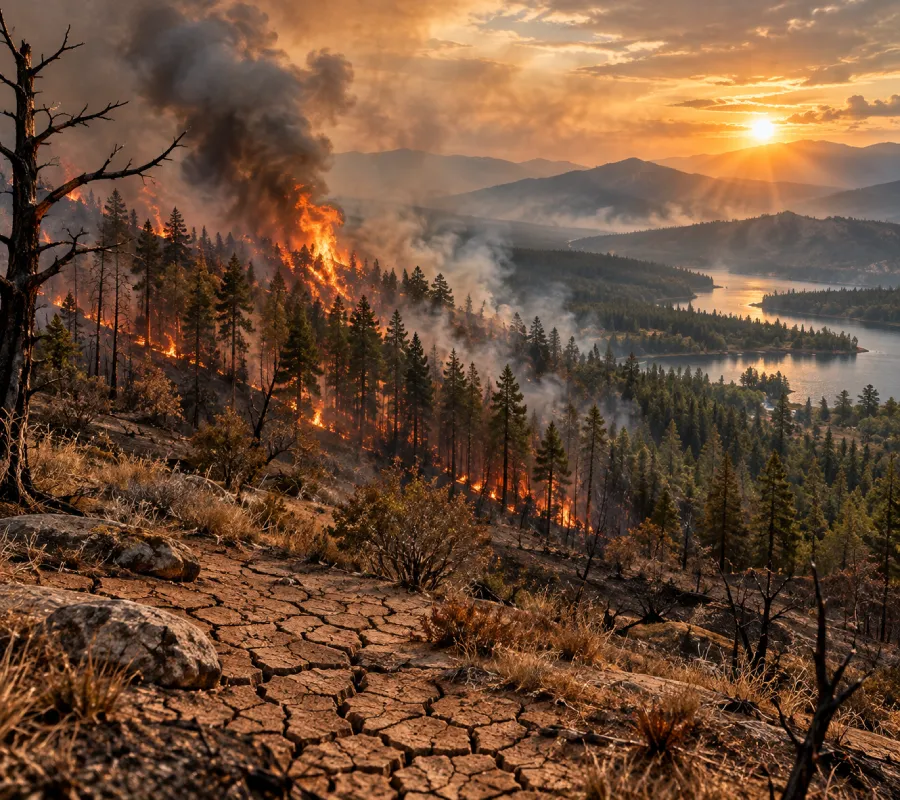
Wildfires: Heat, Dryness, and Ecological Exhaustion
Wildfires are often triggered by immediate causes such as lightning, human activity, or accidental ignition. But larger patterns reveal deeper stress factors:
- Prolonged drought dries forests and grasslands
- Rising temperatures increase evaporation
- Loss of biodiversity weakens ecosystem resilience
- Unsustainable land management creates fuel buildup
In this sense, wildfire can be seen as more than fire alone—it may represent overheating, dryness, and accumulated ecological strain.
Storms: Atmospheric Tension Released
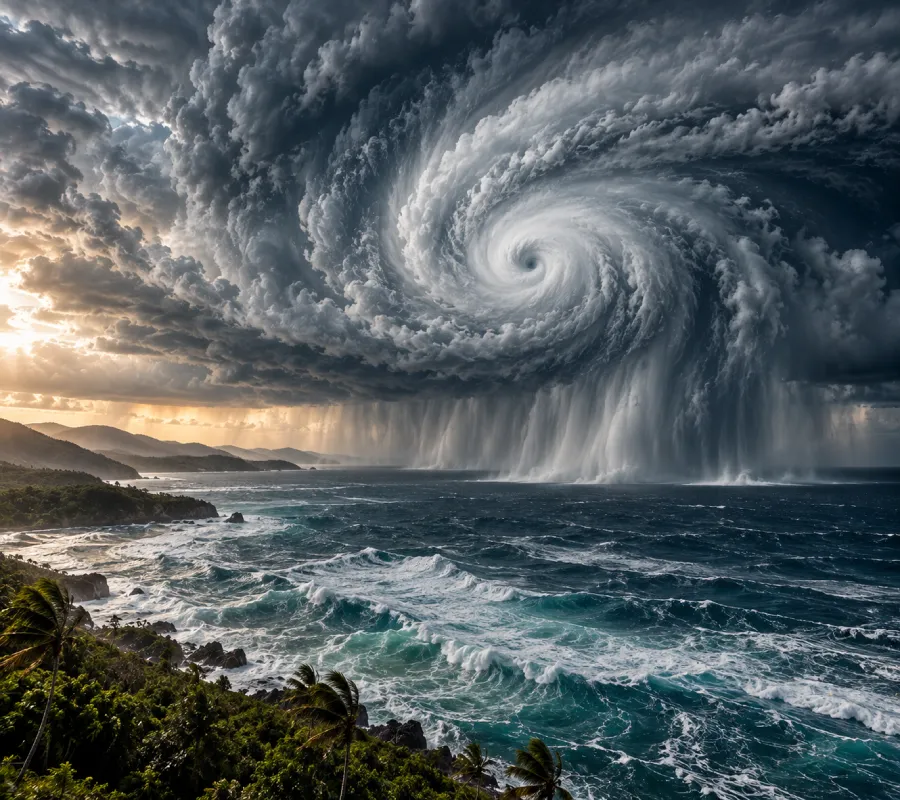
Storms emerge from energy differences in the atmosphere. As oceans warm and weather systems shift, storms may become stronger, wetter, or less predictable.
They can be understood as the release of built-up atmospheric tension:
- Warm water fuels cyclones and hurricanes
- Changing pressure systems alter wind behavior
- Moisture-heavy air increases intense rainfall
- Disrupted seasonal patterns create unusual storm timing
Storms remind us that air systems respond dynamically when balance changes.
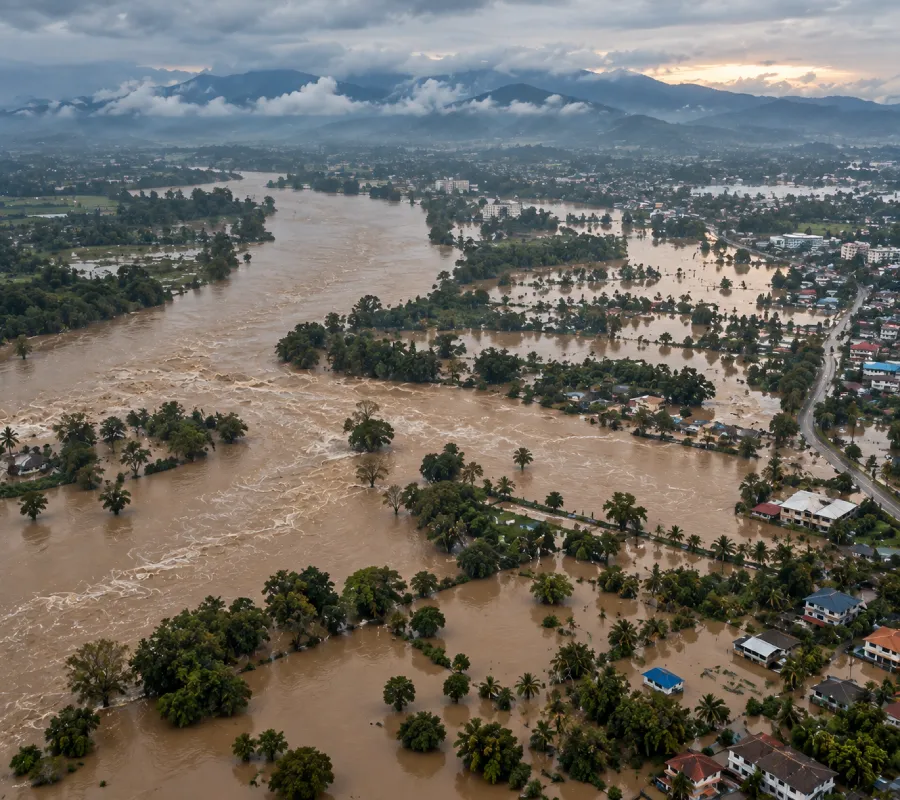
Floods: Water Seeking New Pathways
Flooding is often described as excess rainfall, but many floods result from multiple imbalances acting together:
- Urbanization blocks natural drainage
- Deforestation reduces water absorption
- Glacier melt changes river volumes
- Wetland destruction removes natural buffers
- Sudden storms overwhelm infrastructure
Water naturally seeks movement and balance. When landscapes can no longer absorb or guide it properly, flooding becomes a visible symptom.
Why These Events Should Be Read Together
Wildfires, storms, and floods may look unrelated because they occur in different places and forms. Yet they often share common roots:
- Increased planetary heat
- Disturbed water cycles
- Damaged ecosystems
- Overstressed landscapes
- Human systems disconnected from natural limits
Reading them together helps reveal patterns rather than isolated emergencies.
From Reaction to Awareness
When societies treat every disaster as separate, responses often remain temporary—repairing damage without addressing causes. A symptom-based perspective invites deeper awareness:
- Why are events becoming more frequent?
- Why are systems less resilient?
- Where has balance been lost?
- How can prevention replace constant recovery?
This shift moves thinking from crisis management to system healing.
The Earthbodymap Perspective
At Earthbodymap, we explore the idea that the Earth communicates through patterns. Climate disruptions may be understood as expressions of stress in the planetary body—signals asking for attention, adaptation, and responsibility.
This perspective does not replace science. It complements scientific understanding by encouraging people to see emotional, ecological, and structural connections between events.
When we read symptoms carefully, we become more capable of meaningful response.
What Healing Could Look Like
Restoring balance requires both practical and cultural change:
- Protecting forests, wetlands, and biodiversity
- Reducing pollution and excess emissions
- Designing cities that work with water and heat
- Regenerating soil and sustainable agriculture
- Respecting natural cycles in development planning
- Encouraging collective responsibility for shared systems
Healing begins when we stop seeing disasters as isolated surprises and start recognizing them as messages from an interconnected world.
A New Relationship with Earth
The Earth is not separate from us. Our economies, communities, food systems, and future depend on its balance. When Earth shows symptoms, it may be inviting humanity to move from domination toward partnership, from extraction toward restoration, and from short-term reaction toward long-term wisdom.
Through Earthbodymap, we invite readers to observe climate events not only with concern, but with deeper understanding. Symptoms are warnings—but they are also opportunities to restore harmony before imbalance grows further.