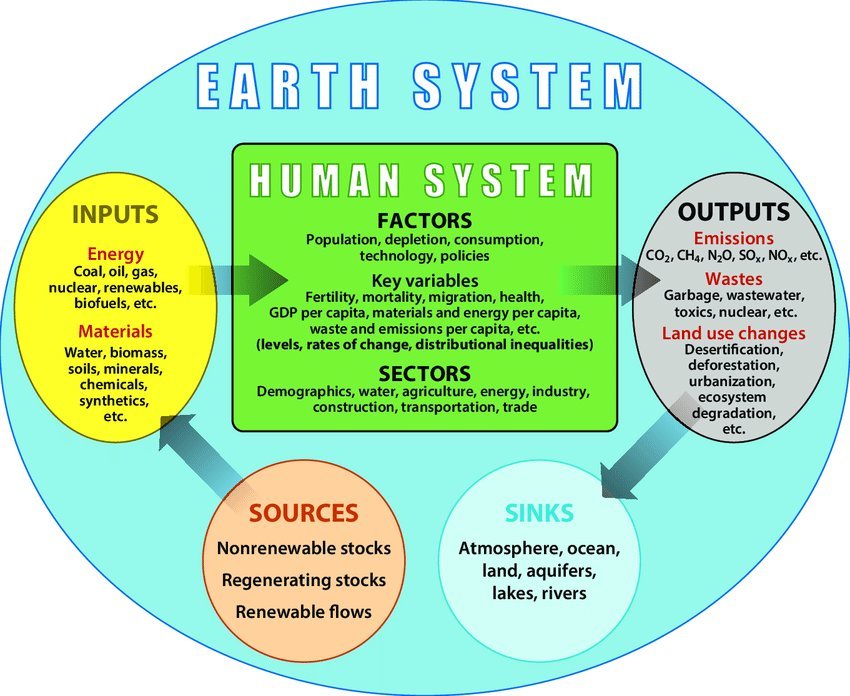
Planetary Anatomy: Understanding Earth as an Interconnected Living System

At Earthbodymap, the concept of Planetary Anatomy offers a new way of understanding the Earth—not as a collection of separate parts, but as an interconnected system where every region, resource, and life process contributes to the health of the whole planet.

Just as human anatomy studies the structure of the body and how its organs function together, Planetary Anatomy explores the structure of Earth and the relationships between its natural systems. It is a framework that helps people visualize how forests, oceans, rivers, atmosphere, mountains, soil, and human societies operate as linked components of one planetary body.

This perspective encourages deeper awareness, responsibility, and respect for the systems that sustain life.

What Is Planetary Anatomy?

Planetary Anatomy is the study of Earth through the language of structure, function, and interdependence. It does not claim that Earth is literally a human body. Rather, it uses anatomical parallels to explain how different planetary systems work together.

For example:

  • Forests help regulate air quality, rainfall cycles, and biodiversity
  • Rivers transport water, minerals, and nutrients across landscapes
  • Oceans store heat, generate weather patterns, and support marine life
  • Soil supports food production and carbon storage
  • Mountains influence weather, watersheds, and ecological zones
  • Atmosphere protects life and balances temperature
  • Human settlements shape the condition of every natural system

Planetary Anatomy allows these systems to be understood as connected rather than isolated.

Why This Perspective Matters

Modern life often separates environmental issues into categories—water, pollution, climate, agriculture, urbanization, energy, health. But in reality, these systems overlap continuously.

A damaged forest may reduce rainfall.
Poor soil may weaken food security.
Ocean warming may intensify storms.
Urban heat may increase health stress.
Polluted rivers may affect ecosystems and communities downstream.

Planetary Anatomy helps reveal these links. It shifts thinking from fragmented problems to whole-system understanding.

The Structural Systems of Earth

Just as the body has bones, muscles, circulation, nerves, and organs, Earth also contains foundational systems that support life.

Mountains and Landforms: The Skeletal Structure

Mountain ranges, plateaus, valleys, and continental masses create the physical framework of the planet. They guide rivers, influence climate, shape habitats, and stabilize landscapes.

These structures form the geographic architecture upon which ecosystems develop.

Rivers, Lakes, and Oceans: The Circulatory System

Water moves continuously through rainfall, rivers, groundwater, glaciers, and oceans. This movement distributes nutrients, regulates temperature, and sustains life.

When water systems are blocked, polluted, or depleted, the effects spread across entire regions.

Forests and Vegetation: The Respiratory and Regenerative System

Plants absorb carbon dioxide, release oxygen, cool landscapes, protect soil, and support biodiversity. Forest systems are among the most vital regenerative forces on Earth.

Their decline affects climate balance, rainfall, and species survival.

Soil: The Nutritional Foundation

Healthy soil stores water, cycles nutrients, supports agriculture, and hosts vast microbial life. It is one of the least visible yet most essential systems of planetary health.

Without living soil, food systems weaken and ecosystems decline.

Atmosphere: The Protective Envelope

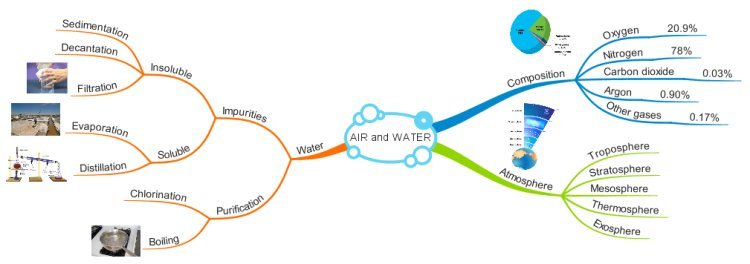
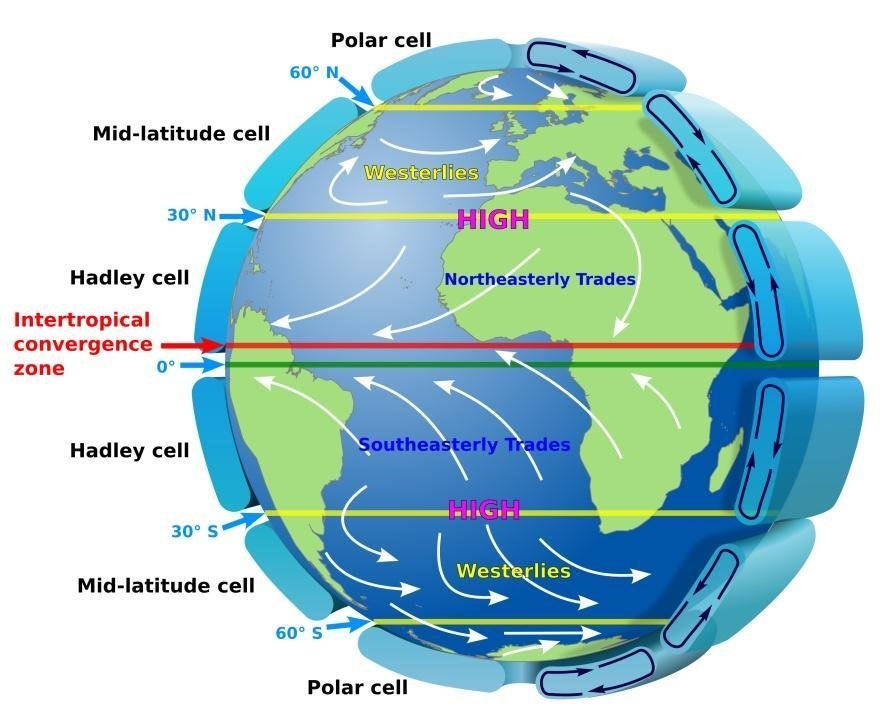
The atmosphere moderates temperature, shields life from harmful radiation, carries moisture, and enables weather systems.

Changes in atmospheric balance can influence nearly every other system.

Human Civilization Within Planetary Anatomy

Human society is not outside Earth’s anatomy—it exists within it. Cities, roads, industries, agriculture, and technology all interact with planetary systems daily.

This means human choices can either:

  • Strengthen resilience
  • Accelerate imbalance
  • Restore damaged systems
  • Increase extraction pressure
  • Support regeneration
  • Create long-term instability

Recognizing our place inside the system is central to Earthbodymap.

Symptoms of Anatomical Stress

When any body experiences strain, symptoms appear. In planetary terms, symptoms may include:

Wildfires
Flooding
Drought
Heatwaves
Species loss
Soil erosion
Water scarcity
Air pollution
Ecosystem collapse

These are not only isolated incidents—they may indicate stress across connected systems.

Planetary Anatomy encourages people to ask what deeper imbalance may be causing repeated symptoms.

Healing Through Systems Awareness

A doctor treats the body by understanding relationships between symptoms and root causes. Likewise, planetary healing requires whole-system thinking.

Examples include:

  • Restoring forests to stabilize climate and water cycles
  • Protecting wetlands to reduce flood damage
  • Regenerating soil to improve food security
  • Reducing emissions to ease atmospheric stress
  • Designing cities that work with natural heat and water flows
  • Conserving biodiversity to strengthen ecosystem resilience

Planetary Anatomy reminds us that repairing one system often benefits many others.

Education and Consciousness

One purpose of Planetary Anatomy is educational. Many people care about the environment but struggle to see how everything connects.

By using familiar anatomical language, complex environmental realities become easier to understand:

If rivers are circulation, why block them carelessly?
If forests are regenerative organs, why exhaust them?
If atmosphere is protective balance, why overload it?

This approach transforms abstract concern into practical awareness.

A New Relationship with Earth

For centuries, humanity often viewed nature as a resource to control. Planetary Anatomy offers a different relationship: Earth as a dynamic system to understand, respect, and cooperate with.

This does not reject technology or development. It asks that progress align with planetary health rather than undermine it.

The Earthbodymap Vision

At Earthbodymap, Planetary Anatomy is part of a broader framework for understanding life through connection. It invites readers to see that every forest cleared, river restored, soil protected, or community empowered influences the larger body of Earth.

When people understand structure, they make wiser choices.

When they recognize connection, they act with greater responsibility.

When they care for the whole, the whole becomes stronger.

Planetary Anatomy is not merely a concept—it is an invitation to see the planet more clearly, and to participate in its healing.

ANNEXURES

A Complete Reference Section Supporting the Earth–Body Framework

Below are the annexures recommended for this project, organized for clarity, academic strength, and scientific authority.

ANNEXURE A

Earth–Body Anatomical Mapping Tables

A Structural Correspondence Framework

Purpose: To present observable, functional parallels between the human body and Earth systems, using anatomy, geography, and regulation principles as a common language.

Section A — Human Body ↔ Earth Body Systems

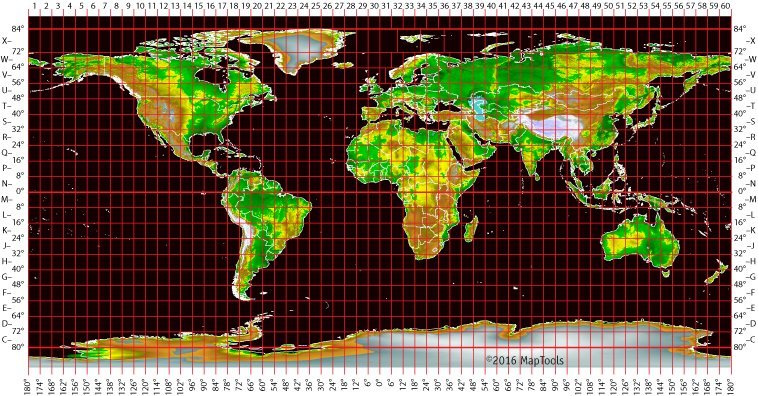
Human body and Earth body systems — source visual 1
Human body and Earth body systems — source visual 2
Human body and Earth body systems — source visual 3

A1. Mapping Table

Human AnatomyEarth SystemFunctional Basis
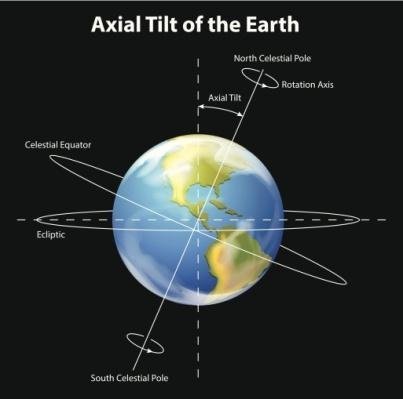
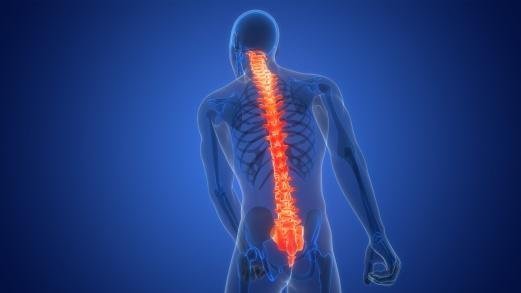
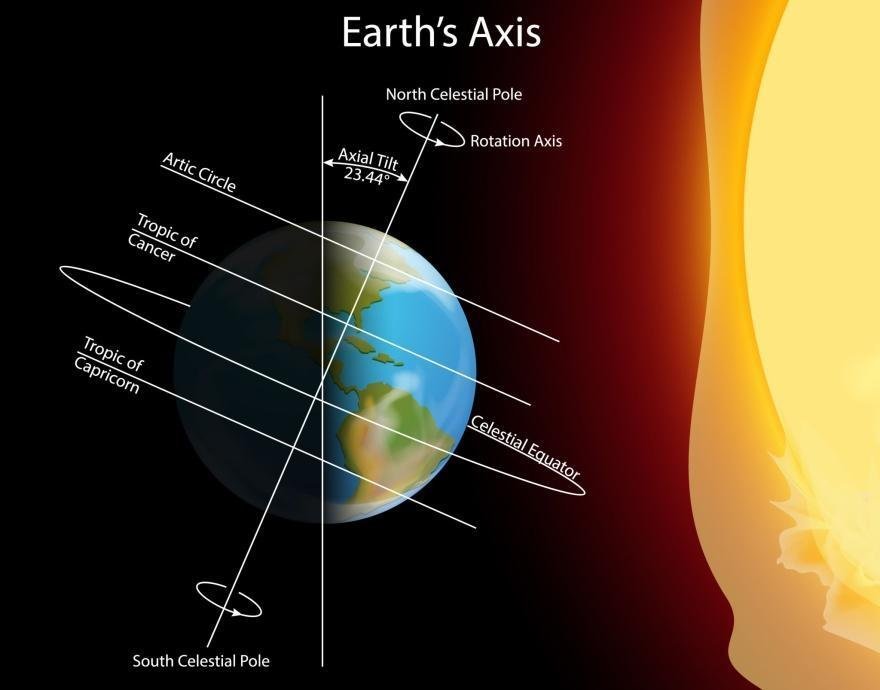
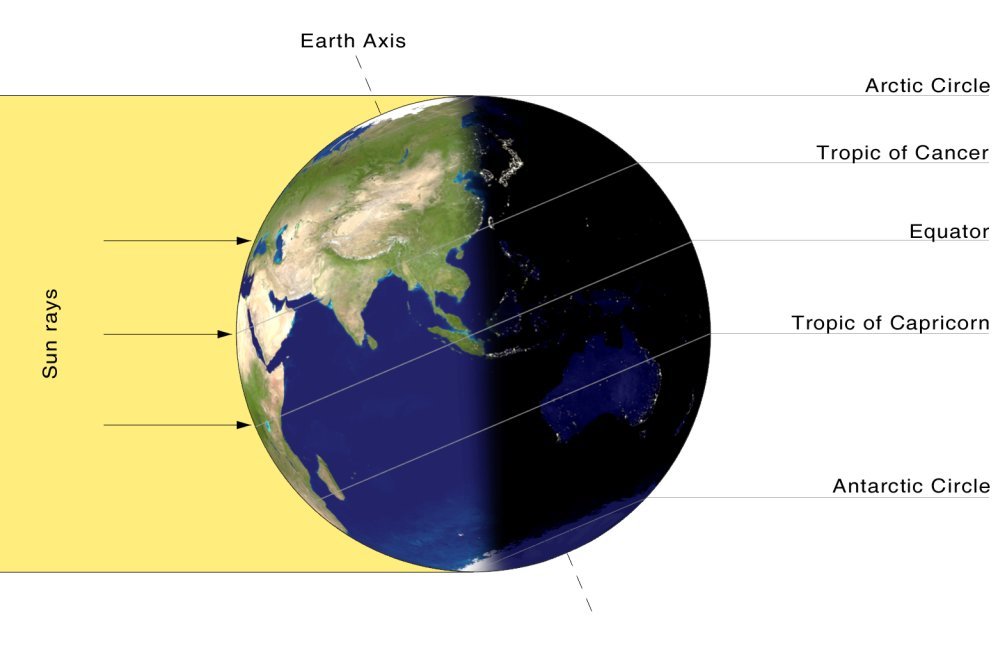
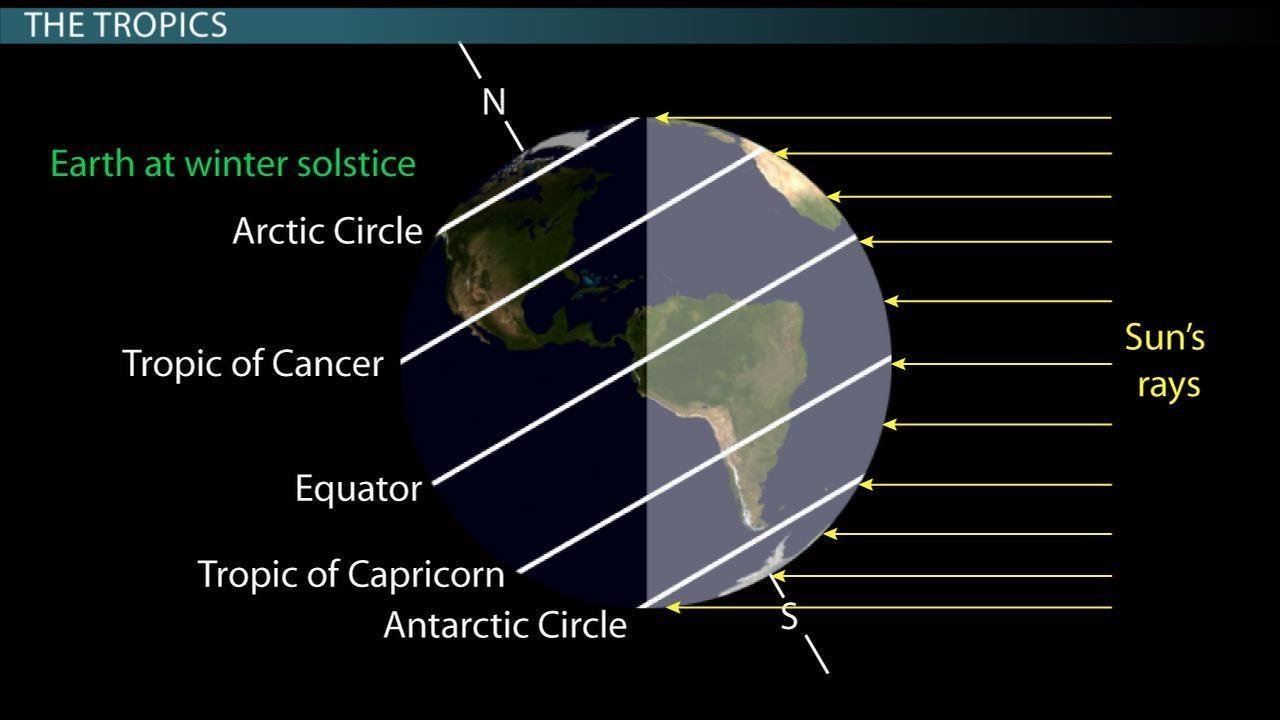
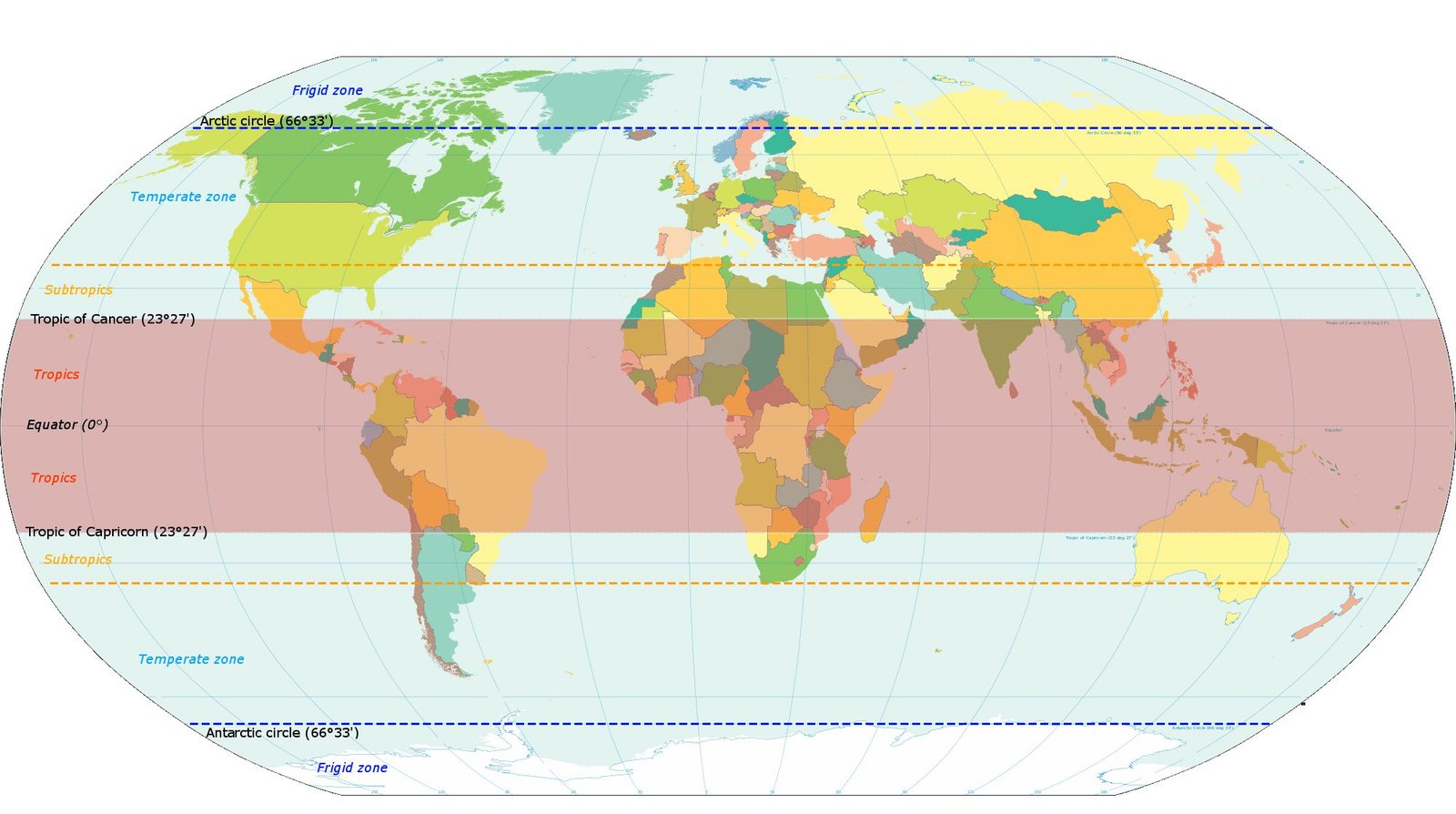
SpineEarth’s Axis Central stabilizing structure enabling rotation & balance
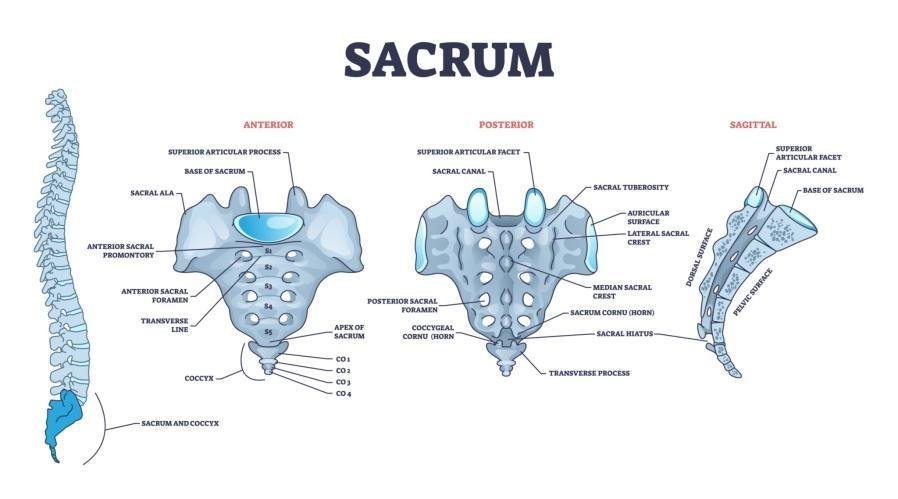
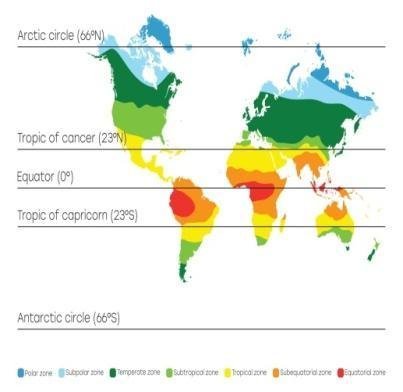
SacrumTropic of Capricorn Transition zone between stability and motion
UmbilicusEquator Primary energy distribution belt
HeartTemperate Bands Balance of extremes; optimal life conditions
BrainArctic & Sub-Arctic Belt Control, regulation, storage
Lower BodySouthern Hemisphere Grounding, support, momentum

A2. Functional Explanation (WHY)

  • The spine and Earth’s axis both define orientation and rotational stability.
  • The umbilicus marks energetic symmetry, just as the equator divides and distributes energy.
  • Life density peaks in temperate zones, mirroring the heart’s role in circulation and balance.

Section B — Organ ↔ Earth System Mapping

Organ and Earth system mapping — source visual 4
Organ and Earth system mapping — source visual 5
Organ and Earth system mapping — source visual 6

B1. Mapping Table

Human Organ/SystemEarth SystemShared Function
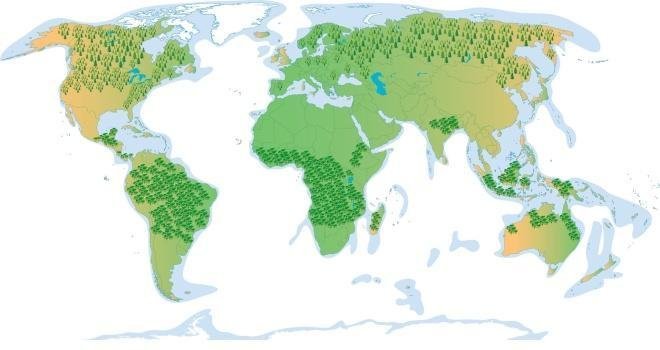
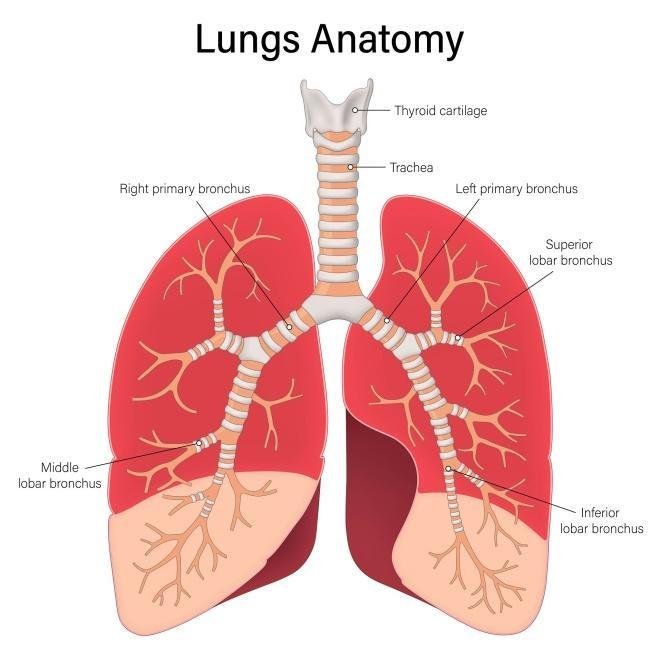
LungsForest SystemsGas exchange, oxygen regulation
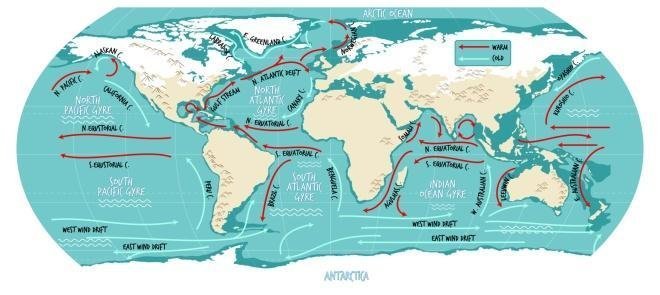
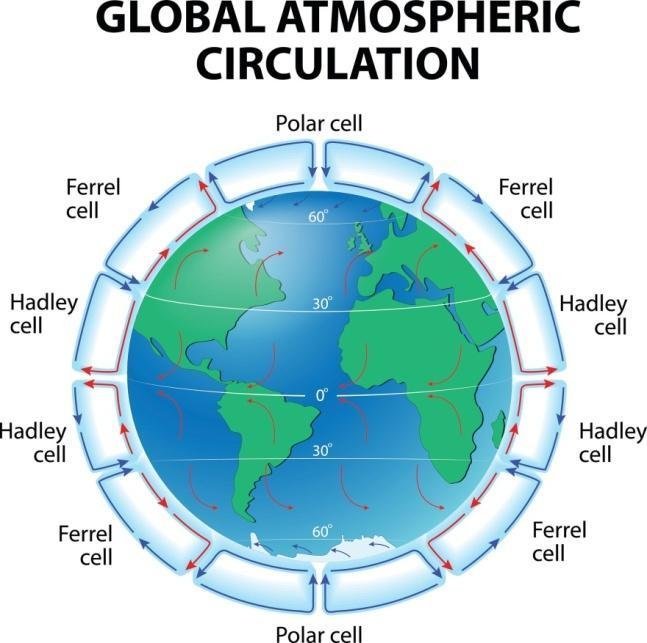
Blood CirculationOcean CurrentsNutrient & heat distribution
Nervous SystemElectromagnetic GridSignal transmission & coordination
Endocrine SystemPlanetary CyclesRhythmic regulation & timing

B2. Functional Explanation

  • Forests and lungs both regulate oxygen–carbon balance.
  • Ocean currents act like blood — transport without ownership.
  • Earth’s electromagnetic field mirrors neural signaling: invisible but decisive.
  • Hormonal cycles echo planetary periodicity, not randomness.

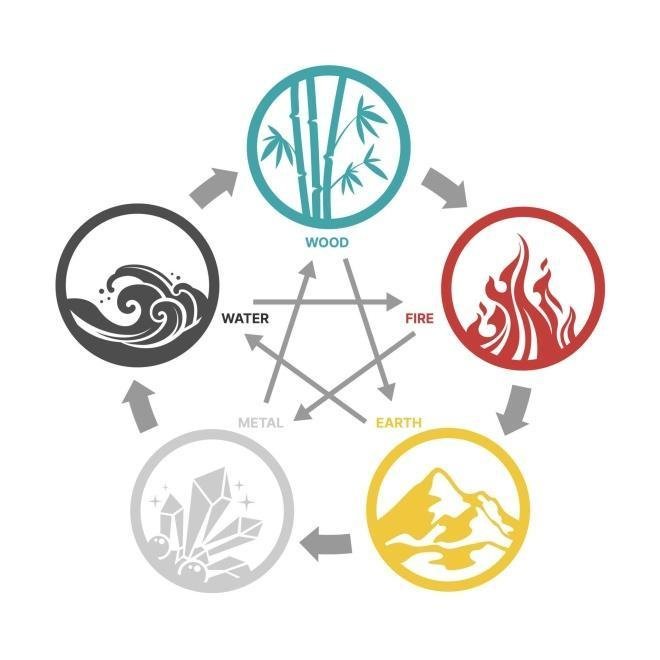
Section C — Elemental Band Mapping

Elemental band mapping — source visual 7
Elemental band mapping — source visual 8
Elemental band mapping — source visual 9

C1. Mapping Table

ElementEarth BandFunctional Expression
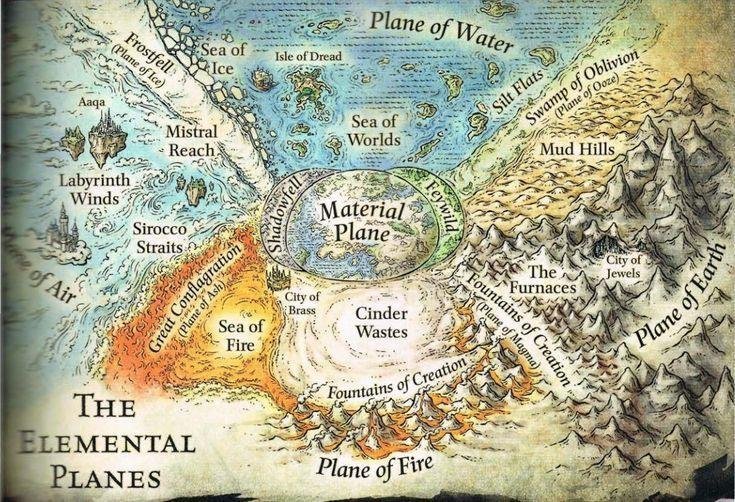
FireBand AEnergy generation, transformation
AirBand BMovement, exchange, communication
WaterBand CStorage, cooling, nourishment

Elements are presented as functional categories, not spiritual claims.

This annexure does not propose symbolism. It documents structural and functional parallels observable in both human anatomy and Earth systems, enabling a unified perspective on regulation, balance, and sustainability.

ANNEXURE B

Bandwise National Profiles

Comparative Country Datasets (CSV-Style Framework)

Status: Framework defined.

Data Population: Ongoing / To be appended as datasets mature.

Purpose: To enable structured comparison of nations based on dominant Earth-band characteristics using measurable indicators.

Framework:

Country-level data is structured for comparative analysis using Band A, Band B and Band C characteristics and associated measurable indicators.

ANNEXURE C

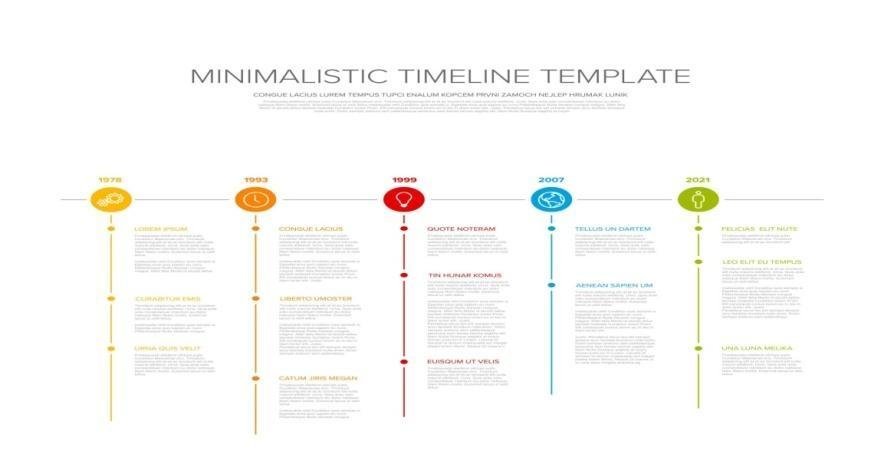
Yuga Timeline & Global Events (0–2304 CE)

A Macro-Cycle Framework for Civilizational Patterns

Purpose: To provide a structured temporal framework for observing long-term shifts in human consciousness, societal organization, technology, and Earth interaction.

Yuga terms are used here as neutral phase labels representing dominant civilizational tendencies, not religious doctrine.

Reading Guide

  • Time ranges indicate dominant influence, not absolute boundaries
  • Transitions are gradual overlaps, not sudden switches
  • Events listed are representative patterns, not exhaustive history

Visual Orientation — One-Page Timeline Overview

Yuga timeline and global events visual — source visual 10
Yuga timeline and global events visual — source visual 11
Yuga timeline and global events visual — source visual 12
Yuga timeline and global events visual — source visual 13
Yuga timeline and global events visual — source visual 14
Yuga timeline and global events visual — source visual 15

Phase I — Satya Influence

Time Range: 0–576 CE

Dominant Quality: Foundational clarity & coherence

  • Consciousness — Spiritual inquiry, ethical universals
  • Society — Stabilization of early civilizations
  • Knowledge — Philosophy, metaphysics, moral codes
  • Earth Relation — Reverence-based interaction

Summary: Truth-seeking precedes expansion.

Phase II — Treta Influence

Time Range: 576–1152 CE

Dominant Quality: Structure & order

  • Society — Rise of kingdoms & governance systems
  • Belief — Organized religions & doctrines
  • Power — Centralized authority
  • Earth Relation — Resource use with ritual constraints

Summary: Order emerges to preserve continuity.

Phase III — Dvapara Influence

Time Range: 1152–1728 CE

Dominant Quality: Exchange & exploration

  • Economy — Global trade networks
  • Knowledge — Renaissance & scientific expansion
  • Mobility — Navigation, exploration, empires
  • Earth Relation — Extraction with curiosity

Summary: Connection accelerates discovery.

Phase IV — Kali Influence

Time Range: 1728–2025 CE

Dominant Quality: Fragmentation & acceleration

  • Industry — Mechanization & mass production
  • Technology — Digital identity, speed dominance
  • Society — Identity fragmentation
  • Ecology — Environmental stress & imbalance

Summary: Speed overtakes coherence.

Phase V — Dawn Cycle

Time Range: 2025–2304 CE

Dominant Quality: Conscious reintegration (emerging)

  • Awareness — Emotional intelligence & regulation
  • Society — Conscious reconstruction
  • Planet — Earth-centered thinking
  • Identity — Unified Earth–Body understanding

Summary: Awareness returns with responsibility.

Cross-Phase Continuity Note

Continuity Principle: Each phase retains elements of the previous ones. Progress is cumulative, not replacement-based.

This timeline is a navigational tool, enabling scholars to contextualize global events within long-duration civilizational rhythms rather than isolated historical moments.

ANNEXURE D

Elemental Diagnostics Chart

Global Imbalance Indicators & Early-Warning Signals

Purpose: To identify observable social, environmental, and systemic signals that indicate elemental imbalance at regional or global scales.

This chart is diagnostic, not deterministic. Indicators suggest stress patterns, not fixed outcomes.

Reading Instruction

  • Indicators must be assessed in clusters, not isolation
  • Presence ≠ permanence
  • Imbalance signals rise before crisis events, not after

Visual Orientation

Elemental diagnostics and imbalance indicators — source visual 16
Elemental diagnostics and imbalance indicators — source visual 17
Elemental diagnostics and imbalance indicators — source visual 18
Elemental diagnostics and imbalance indicators — source visual 19
Elemental diagnostics and imbalance indicators — source visual 20

Fire Element — Imbalance Diagnostics

Core Function (Balanced State): Energy regulation, leadership clarity, decisive action, transformation.

DomainObservable SignalDiagnostic Meaning
GeopoliticalWar zonesExcessive outward discharge of energy
EnvironmentalHeatwaves Thermal accumulation beyond dissipation capacity
GovernancePolitical aggressionReactive leadership cycles
LeadershipVolatility Short-term dominance over long-term vision

Interpretation: Fire imbalance shows over-activation without containment.

Air Element — Imbalance Diagnostics

Core Function (Balanced State): Information flow, cognition, adaptability, communication.

DomainObservable SignalDiagnostic Meaning
SocialSocial confusionBreakdown of shared narratives
MediaMisinformation wavesSignal distortion & overload
HealthAnxiety epidemics Hyper-stimulation without grounding
EconomyEconomic instability Volatility driven by perception shifts

Interpretation: Air imbalance reflects movement without coherence.

Water Element — Imbalance Diagnostics

Core Function (Balanced State): Emotional regulation, cohesion, nourishment, resilience.

DomainObservable SignalDiagnostic Meaning
HealthDepression ratesEmotional stagnation
SocietyEmotional protestsCollective affective overflow
DemographyPopulation shifts Loss of perceived safety & belonging
ClimateWater-related events Disrupted absorption & release cycles

Interpretation: Water imbalance emerges as suppressed emotion seeking release.

Cross-Element Interaction Warning

Compound Risk Rule: When two or more elemental imbalances overlap in the same region or time window, systemic instability accelerates non-linearly.

  • Fire + Air → Rapid conflict escalation
  • Air + Water → Mass psychological fatigue
  • Fire + Water → Civil unrest & displacement
ANNEXURE E

Personal Elemental Diagnostic Checklist

Self-Observation Tool for Elemental Balance

Purpose: This checklist helps individuals observe elemental tendencies (Fire, Air, Water) within their own physical, mental, and emotional experience.

This is a self-awareness aid, not a medical or psychological diagnosis.

  • Read each statement calmly
  • Answer based on recent patterns (last 2–4 weeks)
  • Do not overthink; respond honestly
  • There are no right or wrong answers

Response Scale

ScoreMeaning
0Not at all
1Occasionally
2Often
3Almost always

Section 1 — Fire Element (Energy & Reactivity)

Core Function (Balanced): Initiative, clarity, decisive action

Imbalance Expression: Excess heat, reactivity, impulsiveness

  1. I feel angry, irritated, or easily provoked.
  2. My body often feels overheated or restless.
  3. I rush into decisions without sufficient reflection.
  4. I feel a constant urge to control situations or people.

Fire Score: \_\_\_ / 12

Section 2 — Air Element (Thought & Movement)

Core Function (Balanced): Clear thinking, adaptability, communication

Imbalance Expression: Mental overload, anxiety, distraction

  1. My thoughts move too fast to settle.
  2. I feel mentally scattered or unfocused.
  3. I struggle to stay present while listening or working.
  4. I consume excessive information but retain little clarity.

Air Score: \_\_\_ / 12

Section 3 — Water Element (Emotion & Stability)

Core Function (Balanced): Emotional regulation, connection, resilience

Imbalance Expression: Emotional heaviness, instability, withdrawal

  1. I feel emotionally heavy or overwhelmed.
  2. My moods fluctuate without clear reason.
  3. Relationships feel unstable or draining.
  4. I avoid expressing feelings or feel emotionally blocked.

Water Score: \_\_\_ / 12

Scoring & Self-Reflection Guide

Score RangeInterpretation
0–3Element is balanced
4–7Mild imbalance (awareness recommended)
8–12 Strong imbalance (corrective practices advised)

Reflection Questions

  • Which element shows the highest score?
  • Is this imbalance situational or long-standing?
  • What daily habits may be feeding this pattern?

Closing Note: Elemental balance is dynamic. Awareness itself begins correction. Gentle observation is more effective than forceful control.

ANNEXURE F

Consciousness Practices

Applied Methods for Earth–Body Balance

Purpose: This annexure presents simple, repeatable consciousness practices designed to restore balance between body systems, emotional states, and Earth-aligned awareness.

All practices are experiential and observational. No belief, visualization skill, or prior training is required.

General Practice Guidelines

  • Practice on an empty or light stomach
  • Spine upright; sitting or standing is acceptable
  • Eyes gently closed unless stated otherwise
  • Breath remains natural, not forced
  • Stop immediately if discomfort arises

1. Daily Earth–Body Reset

Daily Earth–Body Reset practice — source visual 22
Daily Earth–Body Reset practice — source visual 23
Daily Earth–Body Reset practice — source visual 24

Objective: To recalibrate the nervous system and re-align personal awareness with Earth rhythms.

Duration: 12 minutes

  1. Sit with spine upright, feet touching the ground.
  2. Place attention at the umbilicus region.
  3. For 6 minutes, observe natural breathing and mentally note: “Body supported by Earth”.
  4. For the next 6 minutes, shift awareness to the heart region and observe heartbeat without altering breath.

2. Band-to-Band Balancing Practice

Band-to-Band balancing practice — source visual 25
Band-to-Band balancing practice — source visual 26
Band-to-Band balancing practice — source visual 27

Objective: To harmonize Fire–Air–Water functional zones within the body.

  • Lower abdomen (Water): Feel weight and grounding
  • Chest (Air): Observe breath movement
  • Upper chest / throat (Fire): Observe alertness without tension

Spend 2–3 minutes per zone, moving bottom to top.

Key Rule: Awareness moves; breath does not change.

3. Om Resonance Technique

Om resonance technique — source visual 28
Om resonance technique — source visual 29

Objective: To synchronize breath, nervous system, and mental rhythm.

  1. Inhale naturally.
  2. On exhale, softly sound “ॐ”.
  3. Let vibration fade fully before the next inhale.
  4. Observe resonance in chest, spine, and skull.

4. Hydrogen (Fire) Cooling – Mental Practice

Objective: To reduce internal heat, anger, or reactivity.

  • Observe a heated emotion or urge
  • Mentally repeat once per breath: “Energy is cooling into clarity.”
  • Do not suppress the emotion
  • Simply observe intensity reducing

5. Emotional Water Stabilization Practice

Emotional water stabilization practice — source visual 30
Emotional water stabilization practice — source visual 31
Emotional water stabilization practice — source visual 32

Objective: To restore emotional equilibrium and relational stability.

  1. Sit comfortably.
  2. Bring attention to the lower abdomen.
  3. Imagine emotions as waves settling on their own.
  4. Repeat internally: “I allow emotions to move without overflow.”

6. Quantum Field Affirmations (Non-Visual)

Objective: To align intention with observation-based awareness.

  • No imagination
  • No expectation
  • One affirmation per session

Examples:

  • “Awareness precedes reaction.”
  • “Balance restores itself when observed.”
  • “I respond, not react.”

Consistency Principle: Short daily practices produce deeper regulation than occasional long sessions.

ANNEXURE G

National Elemental Governance Framework

Policy Alignment for Fire–Air–Water Balance

Purpose: This annexure outlines a functional governance framework that aligns national policies with elemental balance principles (Fire, Air, Water) to enhance stability, resilience, and long-term sustainability.

Elemental terms are used as functional policy lenses, not cultural or religious constructs.

Framework Overview

National elemental governance framework — source visual 33
National elemental governance framework — source visual 34
National elemental governance framework — source visual 35

Core Assumption: Every nation exhibits dominant and secondary elemental tendencies that influence governance outcomes. Balanced governance requires coordinated regulation of energy (Fire), information (Air), and social–emotional stability (Water).

Application Scope:

  • National policy design
  • Crisis management
  • Social cohesion programs
  • Environmental and human sustainability planning

Fire Policy Guidelines

Domain: Power, Energy, Security, Decision Velocity

  • Maintain measured decision timelines for high-impact policies
  • Balance defense expenditure with diplomatic and humanitarian investment
  • Regulate industrial and energy expansion to avoid ecological overheating
  • Establish leadership cooling-off protocols during national crises

Air Policy Guidelines

Domain: Information, Economy, Education, Communication

  • Ensure transparency and accuracy in public communication
  • Regulate misinformation without suppressing expression
  • Invest in education systems that promote clarity, not mere data accumulation
  • Stabilize economic narratives during volatility to reduce panic-driven behavior

Water Policy Guidelines

Domain: Social Stability, Health, Emotion, Ecology

  • Prioritize mental health and emotional wellbeing as governance indicators
  • Strengthen community institutions and social safety nets
  • Protect water systems, biodiversity, and climate buffers
  • Design policies that absorb social stress rather than amplify it

Crisis Response Templates

Fire-Dominant Crisis: Slow decision cycles, introduce mediation mechanisms and reduce inflammatory public messaging.

Air-Dominant Crisis: Centralize verified communication, reduce noise and stabilize narratives.

Water-Dominant Crisis: Focus on reassurance, care delivery and community-level response.

Principle: Crisis response must counterbalance, not mirror, the dominant imbalance.

Collective Consciousness Program Models

  • National Awareness Minutes
  • Emotional Literacy Education
  • Community Grounding Initiatives
  • Media Responsibility Codes

Governance Integration Note

Elemental Balance Principle: No single policy domain should dominate governance. Stability emerges when Fire, Air, and Water policies are assessed together before implementation.

ANNEXURE H

Quantum Field Influence Notes & Observational Data

Exploratory Observations & Pattern Records

Purpose: This annexure documents observed correlations and experiential data related to collective attention, emotional coherence, and behavioral regulation.

The material presented here is observational and exploratory. It does not assert causality and is intended to support further inquiry.

Methodological Positioning

Observations in this annexure are derived from repeated experiential patterns, group activities, and limited-scale interventions. Variables are not fully isolated. Findings are presented as correlations and behavioral shifts, not experimental proof.

1. Impact of Group Meditation

Observation Category: Collective Regulation

  • Reduction in interpersonal agitation post-session
  • Improved group silence tolerance and listening quality
  • Decrease in reactive speech during discussions
  • Faster emotional settling after disagreement

2. Emotional Climate Effects on Environmental Conditions

Observation Category: Environmental Correlation

  • Heightened emotional unrest coincided with perceived atmospheric heaviness and increased heat discomfort or restlessness.
  • Periods of emotional calm correlated with improved tolerance to environmental conditions and subjective atmospheric ease.

Caution: These observations reflect human perception interacting with the environment, not claims of direct weather causation.

3. Case Notes — Aggression De-escalation

  • Reduced verbal escalation
  • Delayed reaction time
  • Shift from dominance behavior to dialogue

Example Pattern: Raised voice and rigid posture → 2–3 minutes of quiet observation → slower speech, softened tone and greater openness to discussion.

4. Observations from Affirmation Experiments

Sample Affirmations:

  • “I respond, not react.”
  • “Awareness precedes action.”
  • “Balance restores itself when observed.”

Observed Patterns:

  • Reduced impulsive decision-making
  • Improved emotional labeling
  • Increased pause between stimulus and response

Cross-Observation Synthesis

DomainRecurrent Observation
Group DynamicsReduced reactivity
EmotionFaster stabilization
CognitionIncreased response latency
BehaviorShift from impulse to choice

Ethical & Scientific Boundaries

This annexure does not claim alteration of physical quantum fields. The term “quantum” is used here to denote sensitivity to subtle, pre-conscious influences within complex systems.

Observations suggest that awareness-based practices influence behavior, emotion, and group coherence. Further structured research is required to quantify mechanisms and limits.

ANNEXURE I

Glossary of Terms

Standard Definitions for Reference & Consistency

Purpose: This glossary provides clear, operational definitions of key terms used throughout the document to ensure conceptual consistency and prevent interpretive ambiguity.

Conscious Civilization

A stage of societal development in which decision-making prioritizes awareness, emotional regulation, ecological responsibility, and long-term collective wellbeing over short-term gains or reactive behavior.

Band A / Band B / Band C

  • Band A (Fire): Energy, action, leadership, transformation
  • Band B (Air): Thought, communication, movement, adaptability
  • Band C (Water): Emotion, stability, nourishment, cohesion

Bands are analytical categories, not hierarchies.

Fire–Air–Water Mapping

A functional framework that correlates energetic (Fire), cognitive (Air), and emotional–stabilizing (Water) processes across individuals, societies, and Earth systems for diagnostic and balancing purposes.

Earth–Body Model

A systems-based model that draws structural and functional parallels between human anatomy and Earth systems to support integrated understanding of health, ecology, and governance.

Sandra Chetana Jyotis

Also written as: Sāndra Chetanā Jyotiṣ

A contemporary consciousness-based analytical system that interprets planetary, elemental, and temporal patterns through observation, behavior, and systemic impact rather than predictive belief or ritual dependence.

Quantum Coherence

A term used in this document to describe behavioral and cognitive synchronization—where individual awareness aligns with group or system-level stability.

It does not imply subatomic manipulation or physical quantum experimentation.

Field Influence

The indirect effect of collective emotional tone, attention, and behavior on social dynamics and decision environments.

Used as a systems metaphor, not a claim of measurable force transmission.

Dawn Cycle

The transitional phase following a period of fragmentation, characterized by rebuilding, emotional stabilization, planetary awareness, and reintegration of human–Earth identity (2025–2304 CE in this framework).

Yuga Psychology

The study of dominant psychological and societal tendencies across extended historical phases (Yugas), emphasizing gradual shifts in cognition, behavior, identity, and Earth interaction rather than fixed epochs or deterministic timelines.

Terminology Note: All terms in this glossary are used as analytical tools. They are intended to support observation, dialogue, and applied understanding—not belief enforcement or ideological positioning.
ANNEXURE J

Tables, Maps & Diagrams to Include

Visual Reference Index & Design Intent

Purpose: This annexure lists all visual materials referenced throughout the document and clarifies their intent, scope, and placement.
All visuals are explanatory tools designed to support understanding, not symbolic or doctrinal representations.

General Design Standards

  • Style: Scientific, minimal, neutral
  • Color palette: Earth tones — blue, green, brown, muted amber
  • Labels: Clear, non-metaphorical, consistent terminology
  • Orientation: Prefer horizontal layouts for timelines & maps
  • Accessibility: High contrast, readable legends, captioned figures

1. Earth’s Spine & Sacrum Diagram

Earth spine and sacrum diagram — source visual 36
Earth spine and sacrum diagram — source visual 37
Earth spine and sacrum diagram — source visual 38
Earth spine and sacrum diagram — source visual 39

Type: Conceptual anatomical–geographical diagram

Purpose:

  • Human spine & sacrum
  • Earth’s axis & tropic alignment

Usage Location:

  • ANNEXURE A
  • Introductory framework sections

Design Notes:

  • Show Earth and human form side-by-side
  • Avoid spiritual iconography
  • Emphasize axis, support, stability

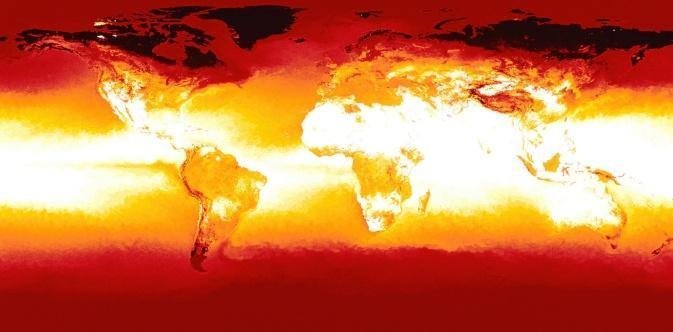
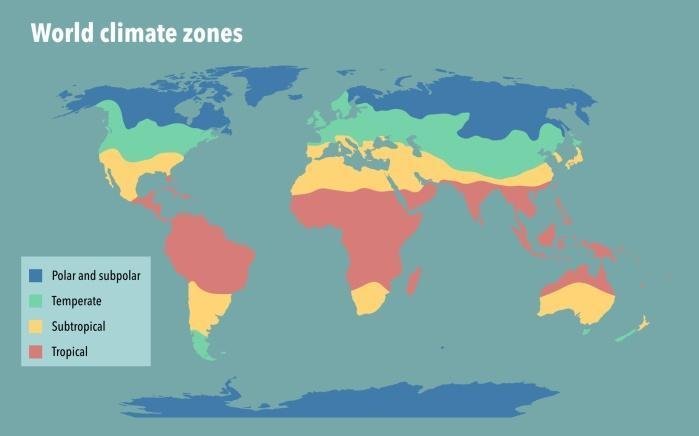
2. Elemental World Map (Fire–Air–Water)

Elemental world map — source visual 40
Elemental world map — source visual 41
Elemental world map — source visual 42

Type: Thematic global map

Purpose: To visualize dominant elemental tendencies (Fire, Air, Water) across regions using functional indicators, not cultural labels.

Usage Location:

  • ANNEXURE B
  • ANNEXURE D (diagnostic reference)

Design Notes:

  • Use gradients, not hard borders
  • Include legend explaining functional meaning
  • Neutral band colors only

3. Band Distribution Map (A / B / C)

Band distribution map — source visual 43
Band distribution map — source visual 44
Band distribution map — source visual 45

Type: Analytical classification map

Purpose: To show how Band A, B, and C are distributed globally based on compiled indicators including climate, behavior, governance, and stability.

Usage Location:

  • ANNEXURE B
  • Cross-reference with datasets

Design Notes:

  • CSV-data compatible color coding
  • Include disclaimer: Bands are dynamic, not fixed

4. Yuga Timeline Chart (0–2304 CE)

Yuga timeline chart — source visual 46
Yuga timeline chart — source visual 47

Type: Horizontal timeline chart

Purpose: To present long-duration civilizational phases clearly, allowing readers to track patterns, overlaps, and transitions.

Usage Location:

  • ANNEXURE C

Design Notes:

  • Gradient transitions between phases
  • Avoid religious symbols
  • Include key keywords, not dense events

5. Collective Coherence Flowchart

Collective coherence flowchart — source visual 48
Collective coherence flowchart — source visual 49
Collective coherence flowchart — source visual 50

Type: Systems flow diagram

Purpose: To illustrate how individual awareness scales into group behavior and systemic stability.

Core Flow: Individual Awareness → Emotional Regulation → Group Coherence → Stable Outcomes → Feedback Loop

Usage Location:

  • ANNEXURE H
  • ANNEXURE G (governance context)

Design Notes:

  • Use arrows and feedback loops
  • No metaphysical symbols
  • Emphasize causality & regulation

6. Earth–Body Anatomy Illustration

Earth–Body anatomy illustration — source visual 51
Earth–Body anatomy illustration — source visual 52
Earth–Body anatomy illustration — source visual 53

Type: Comparative illustration

Purpose: To integrate Earth systems and human anatomy into a single explanatory visual.

Usage Location:

  • ANNEXURE A (core reference)
  • Public-facing summaries

Design Notes:

  • Split or overlay format
  • Label organs and Earth systems clearly
  • Avoid personification of Earth

Visual Index Table

Visual TitleTypePrimary Annexure
Earth Spine & SacrumDiagramA
Elemental World MapMapB / D
Band Distribution MapMapB
Yuga Timeline ChartTimelineC
Collective Coherence FlowchartFlowchartH / G
Earth–Body AnatomyIllustrationA

Clear visuals reduce interpretive noise. Reduced noise enables shared understanding across disciplines.

here is the code and i want to show this image in the card type section so give me or update the code and make in card in equal size //